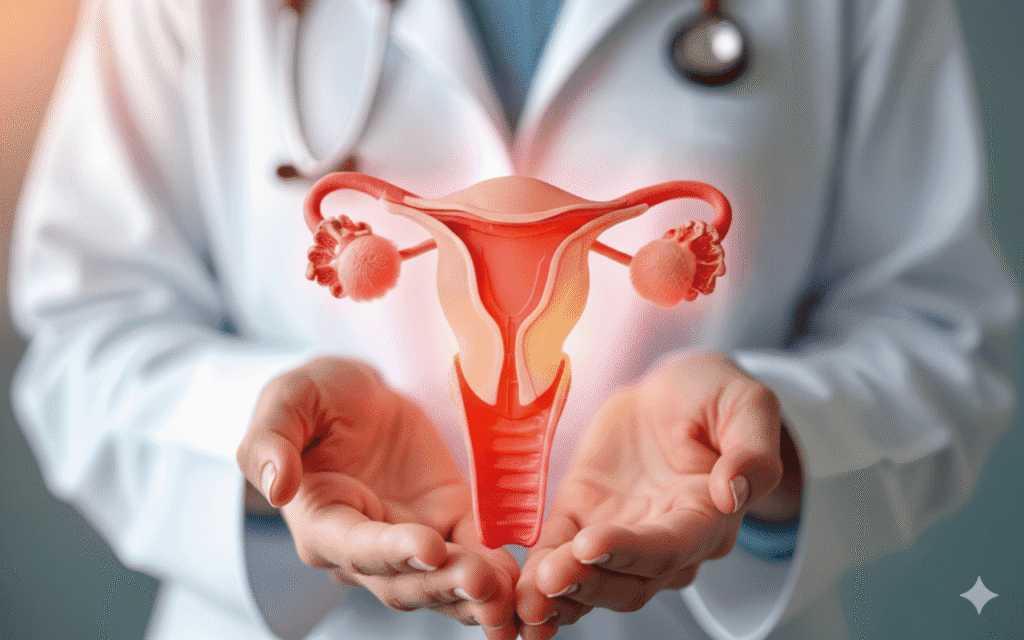
Polycystic Ovary Syndrome (PCOS) is one of the most common hormonal conditions affecting women of reproductive age. Despite its prevalence, PCOS is often misunderstood or diagnosed late, leaving many women without the support and clarity they need. This resource is designed to provide clear, reliable information to help you understand PCOS and its impact on uterine and overall reproductive health.
What Is PCOS?
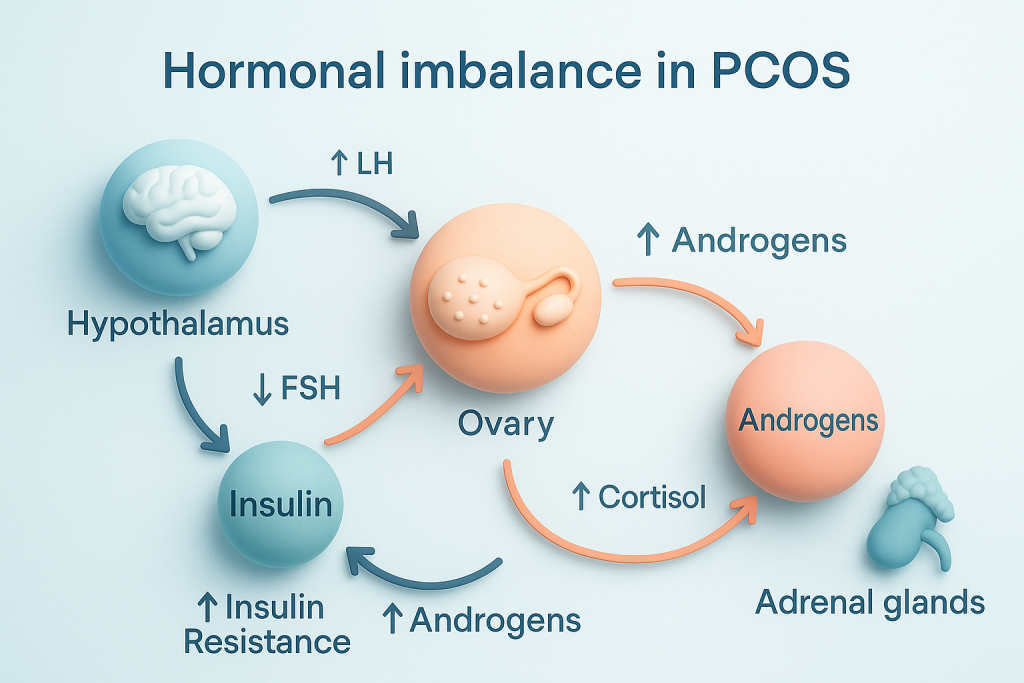
PCOS is a hormonal disorder that affects how the ovaries function. It is characterized by an imbalance in reproductive hormones, which can interfere with ovulation and lead to a range of symptoms. While the name suggests ovarian cysts, not all women with PCOS have cysts, and symptoms can vary widely from person to person.
Common Signs and Symptoms
PCOS can present differently in each individual, but common symptoms include:
- Irregular, infrequent, or absent menstrual periods
- Difficulty ovulating or infertility
- Excess facial or body hair (hirsutism)
- Acne or oily skin
- Thinning hair or hair loss on the scalp
- Weight gain or difficulty losing weight
- Pelvic discomfort in some cases
If you experience several of these symptoms, it may be helpful to speak with a healthcare provider for evaluation.
How PCOS Affects Uterine Health
Irregular ovulation can cause the uterine lining to build up over time, increasing the risk of heavy or prolonged bleeding. When left unmanaged, this hormonal imbalance may also raise the risk of endometrial (uterine lining) complications. Maintaining regular cycles—naturally or with medical support—is an important part of protecting long-term uterine health.